
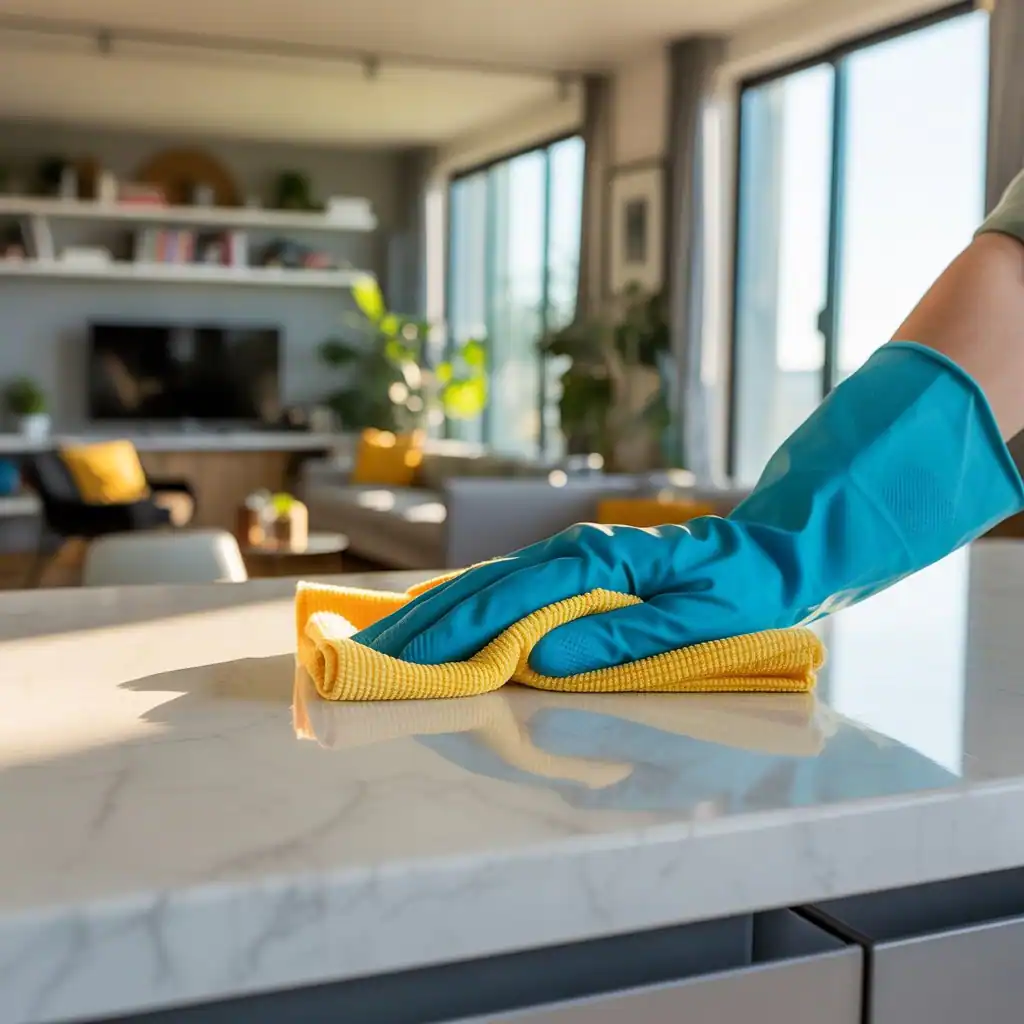
The living room is often the most used space in a home, which makes it one of the fastest areas to accumulate dust. Even when surfaces look clean, hidden spots can collect layers of dust that affect air quality and overall comfort. Knowing where dust builds up allows you to clean more effectively and maintain a fresher environment.
Ceiling Corners and Moldings
Dust naturally rises and settles in high, undisturbed areas like ceiling corners and decorative moldings. These spots are easy to forget because they are out of direct sight, but over time they can collect thick layers of dust and even cobwebs.
Use a microfiber duster with an extendable handle to reach these areas. Cleaning them once every few weeks prevents buildup and keeps the room looking well-maintained.
Behind the Television
Electronics generate static electricity, which attracts dust more than most surfaces. The area behind the television often becomes a hidden dust trap, especially when it is placed close to the wall.
Move the television slightly and wipe both the back panel and the surrounding wall. Keeping this space clean can also improve airflow and reduce overheating.
Under the Sofa
The space under sofas is rarely cleaned thoroughly, yet it collects a mix of dust, crumbs, and debris. Over time, this buildup can contribute to odors and poor air quality.
Vacuum under the sofa regularly and consider using a flat attachment to reach deeper areas. If possible, occasionally move the furniture to clean more effectively.
Curtains and Fabric Surfaces
Curtains, cushions, and upholstered furniture absorb dust from the air. Because these materials are soft, dust becomes embedded and is not always visible.
Vacuum fabric surfaces using an upholstery attachment and wash curtains periodically. This helps reduce allergens and keeps the room feeling fresh.
Light Fixtures and Lampshades
Light fixtures attract dust due to heat and air movement. Lampshades in particular can hold a surprising amount of dust, which spreads into the air when disturbed.
Wipe fixtures gently and use a lint roller or soft cloth on lampshades. Regular cleaning keeps lighting bright and prevents dust from circulating.
Baseboards and Floor Edges
Dust tends to settle along baseboards and in corners where airflow is minimal. These areas are often skipped during routine cleaning.
Use a damp cloth or vacuum attachment to clean along edges and corners. Paying attention to these details makes the entire room feel cleaner.
Conclusion
A clean living room is not just about visible surfaces. By focusing on hidden dust-prone areas, you can improve air quality and maintain a more comfortable space. Small, consistent cleaning habits make a noticeable difference over time.