
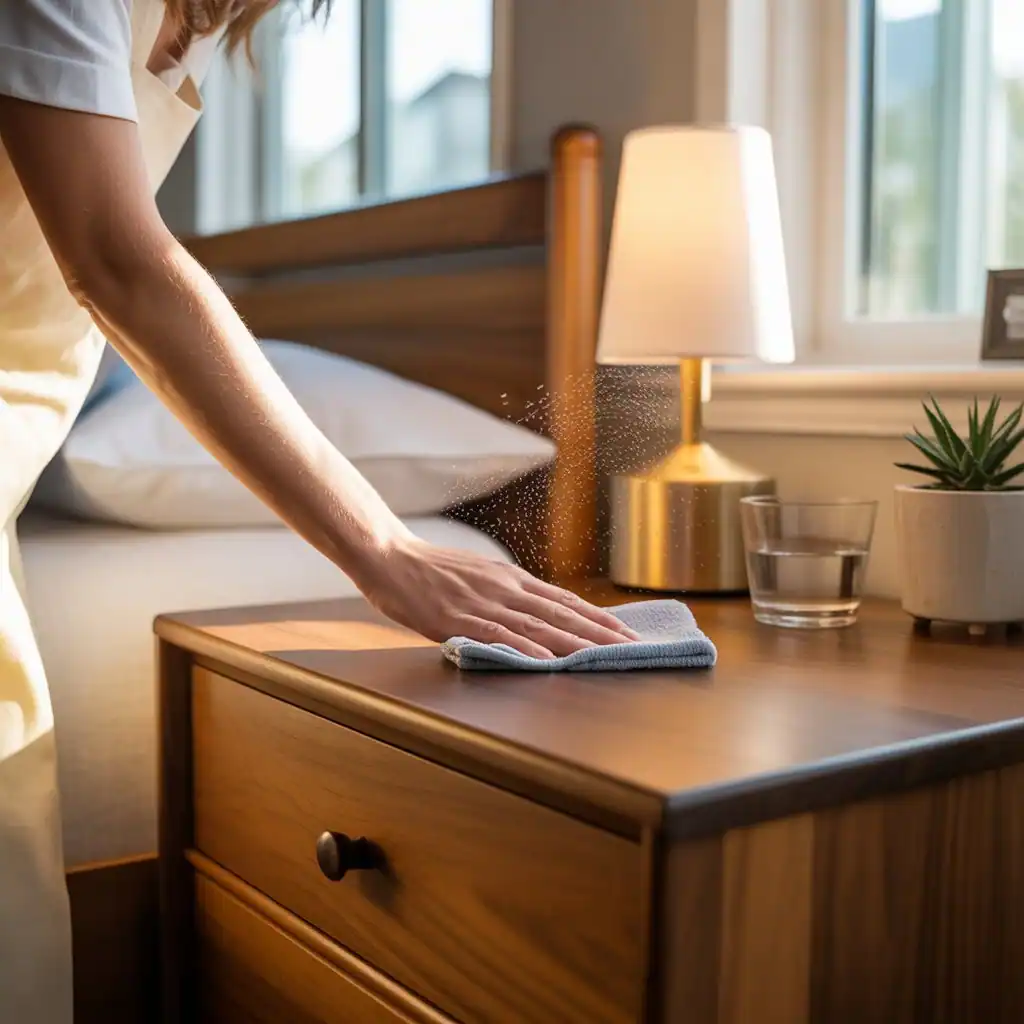
Even in a home that looks clean, certain surfaces gradually develop a sticky or greasy feeling. This buildup happens slowly, which is why many people do not notice it until it becomes difficult to remove. The cause is usually a mix of dust, airborne grease, moisture, and everyday use. Understanding where this happens and why can help you prevent it before it becomes a bigger problem.
Kitchen Cabinets and Handles
Kitchen cabinets are constantly exposed to cooking oils, steam, and food particles. Over time, these elements settle on surfaces and mix with dust, creating a sticky layer that is hard to see at first but very noticeable to the touch.
Handles are especially affected because they are touched frequently with hands that may have traces of oil or food residue. This combination accelerates buildup and creates a dull, greasy surface.
To prevent this, wipe cabinets weekly with a mild degreasing solution. Paying attention to handles and edges makes a significant difference in keeping the kitchen feeling clean.
Light Switches and Door Frames
Light switches and door frames are touched multiple times every day. Natural oils from your skin transfer onto these surfaces and gradually attract dust.
Because the change happens slowly, these areas are often ignored during regular cleaning. Over time, they can develop a noticeable sticky texture.
Cleaning them with a damp cloth and mild cleaner once a week helps maintain a fresh and smooth surface.
Floors Near Cooking Areas
Floors near stoves and cooking spaces collect more than just dust. Tiny particles of grease settle on the floor and mix with dirt from shoes and foot traffic.
This creates a thin, sticky film that regular sweeping does not remove. Mopping with warm water and a proper floor cleaner is necessary to break down the residue.
Regular cleaning of these areas prevents buildup and keeps floors looking clean instead of dull.
Refrigerator Exterior
The outside of the refrigerator, especially around handles, often develops a sticky feeling due to frequent contact and exposure to kitchen air.
Even stainless steel surfaces can lose their smooth finish if not cleaned properly. Fingerprints and residue accumulate quickly.
Wiping the surface daily with a soft cloth and occasionally using a suitable cleaner helps maintain its appearance.
Bathroom Surfaces
In bathrooms, moisture mixes with soap, shampoo, and dust to create buildup on surfaces like countertops, tiles, and shelves.
This residue can feel sticky or slightly rough, especially in areas that are not dried after use.
Regular wiping and drying of surfaces prevents this problem and keeps the bathroom feeling fresh.
Remote Controls and Electronics
Remote controls, keyboards, and other electronics collect oils from hands and fine dust from the air. Because they are used frequently, buildup happens faster than expected.
These items are rarely included in cleaning routines, which allows residue to accumulate.
Wiping them gently with a suitable cloth helps maintain cleanliness without damaging the surface.
Trash Can Lids and Surrounding Areas
Trash can lids are exposed to food residue, moisture, and frequent handling. Over time, this creates a sticky layer that can also contribute to unpleasant odors.
The surrounding floor area may also develop buildup if spills are not cleaned immediately.
Regular cleaning of both the lid and nearby surfaces helps maintain hygiene and freshness.
Window Sills and Frames
Window areas collect dust from both inside and outside the home. When combined with humidity or condensation, this dust can turn into a slightly sticky residue.
This is especially noticeable in kitchens and bathrooms where moisture levels are higher.
Wiping these areas regularly prevents buildup and keeps them looking clean.
Conclusion
Sticky surfaces are a result of gradual buildup that often goes unnoticed. By understanding where it forms and cleaning these areas consistently, you can maintain a home that not only looks clean but also feels clean. Small, regular efforts are far more effective than trying to remove heavy buildup later.