
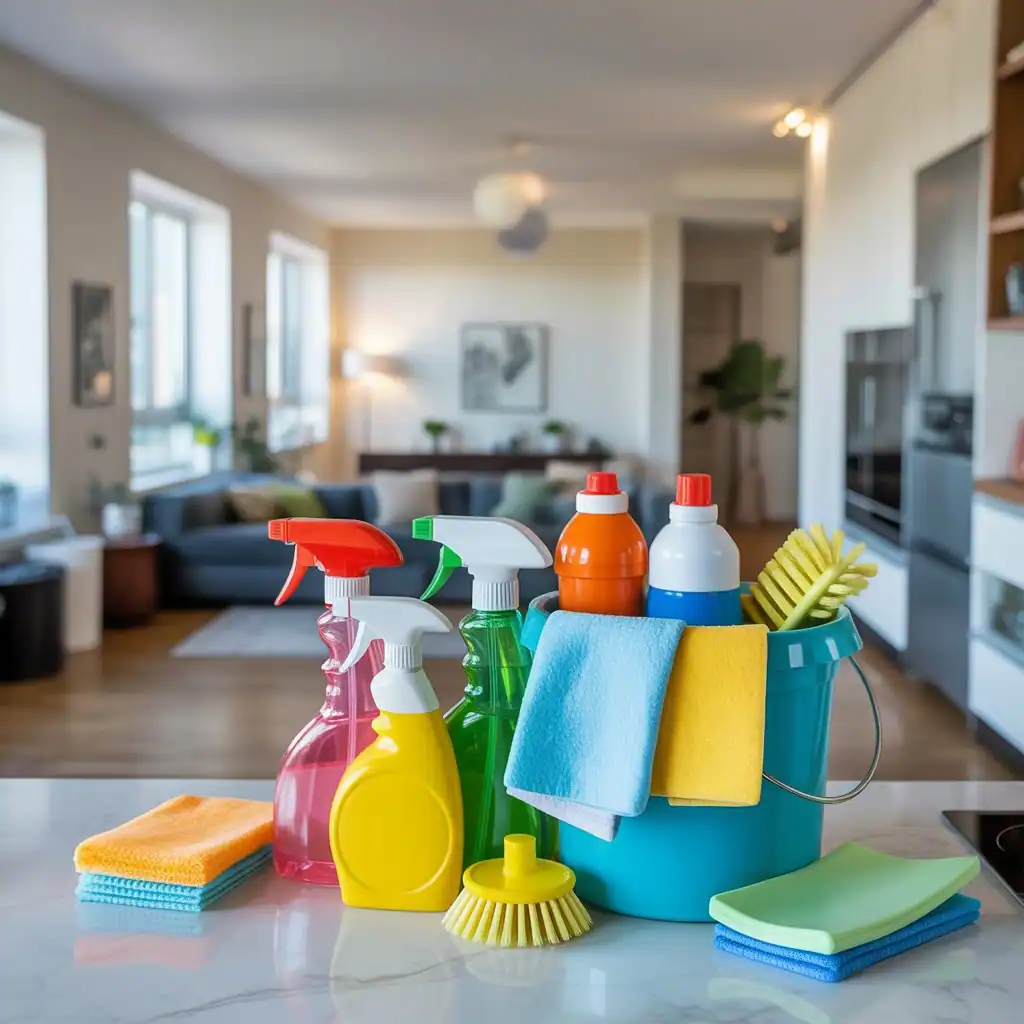
Keeping a kitchen clean is one of the most important parts of maintaining a comfortable and healthy home. However, many people feel overwhelmed by the idea of deep cleaning because it seems time-consuming and exhausting. The truth is that with the right approach, you can thoroughly clean your kitchen without spending an entire day on it. The key is to work strategically, focus on high-impact areas, and follow a structured process.
Start With a Clear Plan
Before you begin cleaning, it is essential to have a clear plan. Walking into the kitchen and randomly cleaning different areas often leads to wasted time and missed spots. Instead, divide your kitchen into sections such as countertops, cabinets, appliances, and floors. This allows you to clean more efficiently and ensures that no area is overlooked.
Gather all necessary cleaning supplies in advance. This includes cloths, sponges, cleaning solutions, gloves, and trash bags. Having everything within reach prevents interruptions and helps maintain your momentum.
Declutter Before You Clean
One of the most effective ways to save time is to remove clutter before you start deep cleaning. Items left on countertops or stored improperly in cabinets can slow you down and make the process more complicated.
Go through visible surfaces and remove anything that does not belong in the kitchen. Put away dishes, throw out expired food, and relocate items that belong in other rooms. This simple step makes the actual cleaning process much faster and more effective.
Focus on High-Touch Surfaces First
High-touch surfaces collect the most dirt, grease, and bacteria. These areas should always be your priority because they impact both cleanliness and hygiene.
Start with countertops, cabinet handles, light switches, and appliance handles. Use an appropriate cleaner to remove grease and buildup. Pay extra attention to corners and edges where dirt tends to accumulate unnoticed.
Cleaning these areas first gives your kitchen an instant improvement and sets the tone for the rest of the process.
Tackle Appliances Efficiently
Kitchen appliances often require the most effort, but you can clean them quickly with the right method.
Begin with the refrigerator. Remove expired items and wipe down shelves with a mild cleaning solution. Work from top to bottom to avoid spreading dirt to already cleaned areas.
Next, move to the stove and oven. Grease buildup can be stubborn, so allow your cleaning product to sit for a few minutes before wiping it away. This reduces the need for excessive scrubbing.
For smaller appliances like microwaves, a simple trick is to heat a bowl of water with lemon slices inside. The steam loosens grime, making it easy to wipe clean.
Clean Cabinets and Storage Areas
Cabinets are often ignored during regular cleaning, but they collect dust, grease, and crumbs over time. Open each cabinet and wipe both the interior and exterior surfaces.
Take this opportunity to reorganize. Group similar items together and remove anything you no longer use. This not only improves cleanliness but also makes your kitchen more functional.
Drawer organizers and storage containers can help maintain order and prevent clutter from building up again.
Don’t Forget the Sink and Drain
The sink is one of the most frequently used areas in the kitchen, yet it can quickly become a source of unpleasant odors and bacteria.
Start by scrubbing the sink with a suitable cleaner. Pay attention to the edges and around the faucet where residue often accumulates. Rinse thoroughly and dry with a clean cloth to prevent water spots.
For the drain, use a simple mixture of baking soda and vinegar to eliminate odors and buildup. Finish by running hot water to flush everything away.
Finish With the Floors
Cleaning the floors should always be the final step. By this point, dust and debris from other areas will have settled on the floor, making it easier to clean everything at once.
Sweep or vacuum thoroughly, especially in corners and under furniture. Then mop using a suitable floor cleaner. Allow the floor to dry completely before walking on it to avoid leaving marks.
A clean floor gives the entire kitchen a polished and finished appearance.
Maintain the Results With Simple Habits
Deep cleaning does not have to be a frequent or exhausting task if you maintain your kitchen regularly. Small daily habits can prevent dirt and clutter from building up.
Wipe down surfaces after cooking, wash dishes promptly, and take out the trash regularly. These simple actions significantly reduce the effort required for future deep cleaning sessions.
Consistency is the most effective way to keep your kitchen looking and feeling clean without investing large amounts of time.
Final Thoughts
Deep cleaning your kitchen does not need to be complicated or time-consuming. By following a structured approach, focusing on key areas, and maintaining simple daily habits, you can achieve a spotless kitchen with minimal effort.
A clean kitchen not only improves the appearance of your home but also creates a more enjoyable and hygienic space for cooking and everyday life. With the right strategy, keeping it that way becomes much easier than you might expect.