
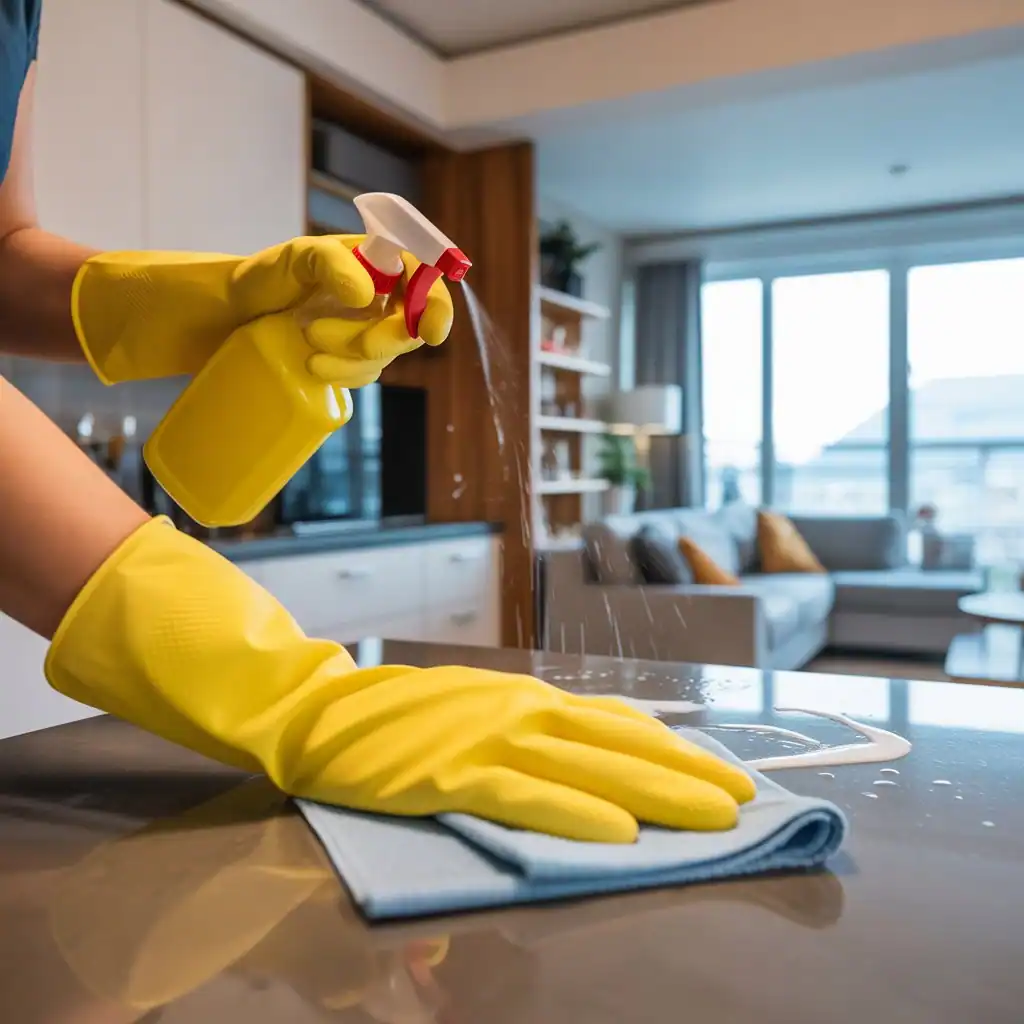
Cleaning your home should make your space healthier and more comfortable. However, many common cleaning habits can actually have the opposite effect. Small mistakes in technique, timing, or product use can spread dirt, create buildup, and even damage surfaces over time.
Understanding these mistakes and correcting them can significantly improve the effectiveness of your cleaning routine. A smarter approach not only saves time but also keeps your home truly clean.
Using Dirty Cleaning Tools
One of the most overlooked mistakes is cleaning with tools that are already dirty. Sponges, cloths, and mop heads can hold bacteria and grime if they are not cleaned regularly.
When you use these tools repeatedly without washing them, you end up spreading dirt instead of removing it. Always rinse and disinfect your cleaning tools after use, and replace them when they become worn out.
Cleaning Surfaces in the Wrong Order
Cleaning in the wrong order can make your work less effective. If you start with lower surfaces like floors and then move to higher areas, dust and debris will fall onto areas you have already cleaned.
Always clean from top to bottom. Begin with shelves, countertops, and higher surfaces before finishing with floors. This ensures that dirt is removed efficiently.
Using Too Much Cleaning Product
It might seem logical that more cleaning product leads to better results, but this is not true. Excess product can leave residue on surfaces, attracting more dust and dirt over time.
Using the correct amount is more effective and easier to rinse away. Following product instructions helps maintain clean and streak-free surfaces.
Ignoring High-Touch Areas
Many cleaning routines focus on visible surfaces while ignoring high-touch areas such as door handles, light switches, and remote controls.
These spots collect bacteria quickly due to frequent contact. Regularly disinfecting them is essential for maintaining a hygienic home.
Not Letting Products Work
Cleaning products often need time to break down dirt and grease. Wiping them away immediately reduces their effectiveness.
Allow the product to sit for a short period before wiping. This makes cleaning easier and reduces the need for scrubbing.
Overlooking Hidden Areas
Areas such as behind furniture, under appliances, and inside storage spaces are often neglected. Dust and debris accumulate in these spots and can affect overall cleanliness.
Including these areas in your routine ensures that your home is clean beyond just what is visible.
Using the Same Cloth Everywhere
Using a single cloth to clean multiple areas can spread bacteria throughout your home. For example, using the same cloth in the bathroom and kitchen can transfer germs between spaces.
Use separate cloths for different areas or wash them between uses to prevent cross-contamination.
Skipping Regular Maintenance
Waiting too long between cleaning sessions allows dirt and clutter to build up, making cleaning more difficult and time-consuming.
Regular maintenance reduces the effort required and keeps your home consistently clean.
Not Cleaning Cleaning Tools
Vacuum filters, washing machines, and dishwashers also need to be cleaned. If these tools are not maintained, they can become sources of dirt and odors.
Keeping your cleaning equipment in good condition ensures better results.
Rushing Through the Process
Trying to clean too quickly often leads to missed spots and incomplete results. While efficiency is important, rushing can reduce the quality of your work.
Taking a few extra moments to clean properly can make a noticeable difference.
Using the Wrong Products for Surfaces
Different materials require different cleaning methods. Using the wrong product can damage surfaces or leave unwanted residue.
Always choose cleaning solutions that are suitable for the specific material you are working with.
Letting Clutter Build Up
Clutter makes cleaning more difficult by creating obstacles and hiding dirt. It also makes spaces appear messier than they actually are.
Keeping your home organized allows you to clean more effectively and maintain a tidy appearance.
Forgetting About Air Quality
Dust and airborne particles can affect how clean your home feels. Ignoring air vents, filters, and ventilation can lead to poor air quality.
Regularly cleaning these areas helps maintain a fresher and healthier environment.
Final Thoughts
Cleaning is not just about effort but about technique. Avoiding common mistakes can make your routine more effective and help you achieve better results with less work.
By using clean tools, following the right order, and maintaining consistent habits, you can ensure that your home stays truly clean and comfortable over time.