
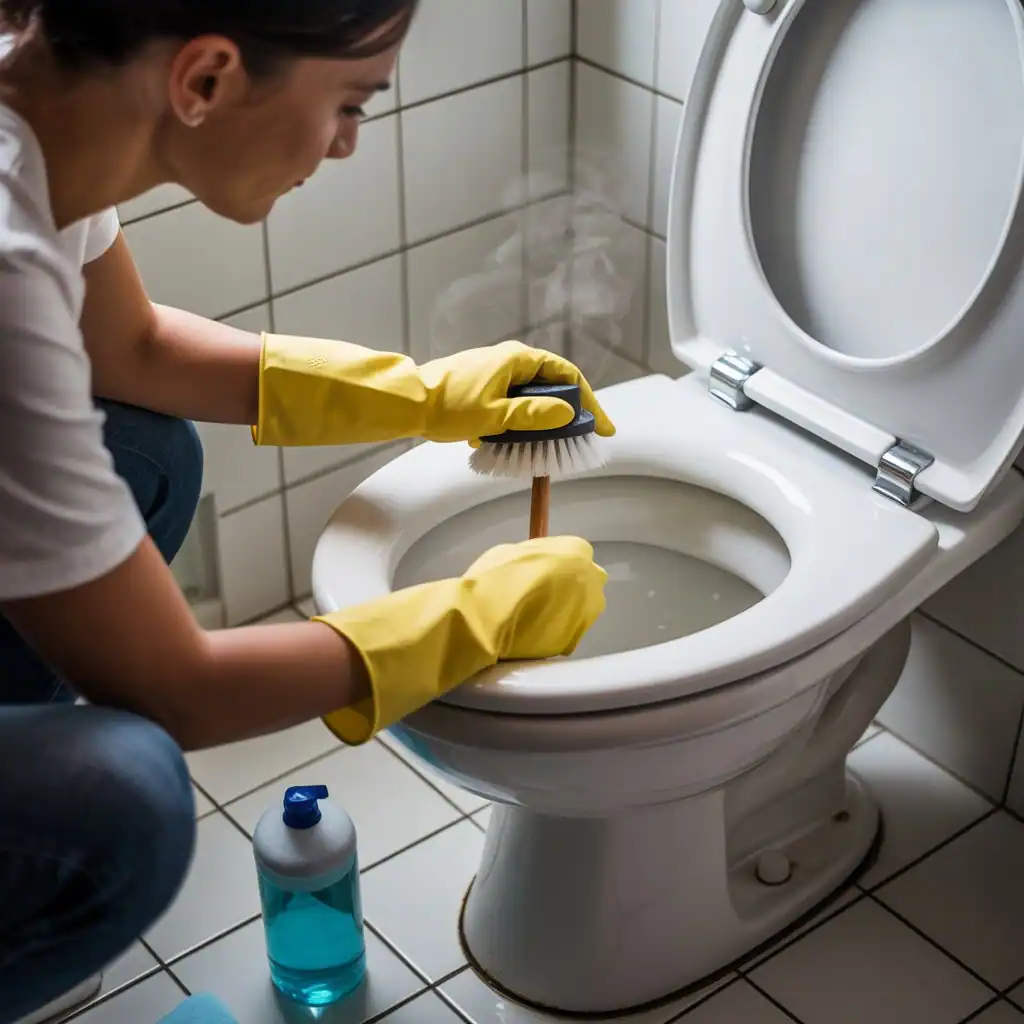
Keeping a toilet clean can feel like a constant task. Even after a thorough cleaning, stains, odors, and buildup can return surprisingly quickly. This often leads to frustration and the feeling that cleaning efforts do not last.
The reason this happens is not always about how often you clean, but how and what you are cleaning. Understanding the causes behind rapid buildup can help you maintain a cleaner toilet for longer periods with less effort.
The Real Causes of Fast Buildup
Toilets collect residue from minerals in water, waste particles, and bacteria. Hard water, in particular, leaves behind mineral deposits that stick to surfaces and create stains over time.
In addition, moisture and frequent use create an environment where bacteria can grow quickly. This combination leads to visible buildup and unpleasant odors if not managed properly.
Hard Water Stains and Mineral Deposits
If you notice yellow or white stains inside your toilet bowl, hard water is likely the cause. These deposits form gradually and become more difficult to remove if left untreated.
Regular cleaning helps prevent these stains from becoming permanent. Addressing them early is much easier than trying to remove heavy buildup later.
Bacteria and Odor Formation
Bacteria naturally develop in a moist environment like a toilet. Without proper cleaning, they can lead to unpleasant smells and surface residue.
Focusing on hygiene rather than just appearance is essential. A toilet that looks clean may still harbor bacteria if not properly maintained.
Areas People Often Miss
Many cleaning routines focus only on the inside of the bowl. However, other areas such as under the rim, the seat hinges, and the base of the toilet also collect dirt and bacteria.
Ignoring these spots allows buildup to spread and reduces the effectiveness of your cleaning efforts.
Clean Smarter, Not Harder
Instead of scrubbing frequently with little result, focus on cleaning more effectively. Allow cleaning products time to break down residue before wiping or scrubbing.
Target areas where buildup is most likely to occur, such as under the rim and along the water line.
This approach reduces effort while improving results.
Use Preventive Cleaning Habits
Preventing buildup is easier than removing it. Small habits can make a significant difference in how clean your toilet stays between deep cleanings.
Regularly brushing the bowl and keeping surfaces dry helps reduce the accumulation of residue.
Consistency is key to maintaining cleanliness.
Keep the Surrounding Area Clean
The area around the toilet also plays a role in overall cleanliness. Dust, moisture, and small splashes can contribute to odors and make the space feel less hygienic.
Wiping down nearby surfaces regularly helps maintain a fresher environment.
Improve Ventilation
Proper airflow reduces moisture and helps prevent odor buildup. Bathrooms with poor ventilation tend to develop issues more quickly.
Using a fan or opening a window after use can help maintain a cleaner and fresher space.
Avoid Overusing Harsh Chemicals
While strong chemicals may seem like a quick solution, they can damage surfaces and create buildup over time.
Using appropriate products and methods is more effective and safer for long-term maintenance.
Create a Simple Weekly Routine
A consistent cleaning routine prevents buildup from becoming a major issue. Regular attention keeps your toilet in good condition without requiring intensive effort.
Short, frequent cleaning sessions are more effective than occasional deep cleaning.
Recognize When Extra Cleaning Is Needed
Sometimes, additional cleaning is necessary, especially if stains or odors persist. Identifying these situations early allows you to address them before they become more difficult to manage.
Pay attention to changes in appearance or smell, as they often indicate that deeper cleaning is required.
Final Thoughts
A toilet that gets dirty quickly is usually the result of buildup, moisture, and missed areas. By understanding these factors and adopting smarter cleaning habits, you can keep it clean for longer with less effort.
Consistency, attention to detail, and preventive care are the most effective ways to maintain a hygienic and fresh bathroom environment.